Here's what kills me: if you're considering setting up a gaming corner in your bedroom, it's tempting to just slap down a desk in any available nook and call it a day. But a small gaming corner setup that works well involves more than just throwing your gear on a surface. Thoughtful planning, accurate measurements, and understanding your equipment's needs will make all the difference between a cramped, uncomfortable mess and an immersive, ergonomic gaming haven.
Having spent 9 years fitting office furniture showrooms, I've learned the hard way that where you place your desk and how much room you allow around it critically affects comfort and usability — especially in tight bedrooms. Along the way, standards like those from the Occupational Safety and Health Administration (OSHA) have taught me the importance of clearance and space for posture and safety. Let’s dive into how to get this right for your bedroom gaming setup measurements.
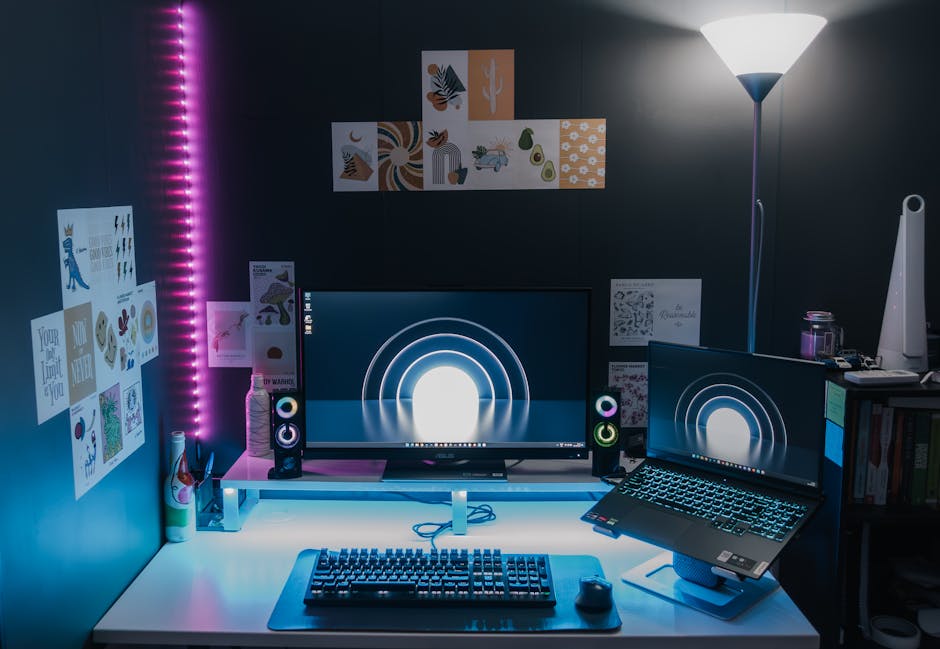
Step 1: Measure the Floor Space and Obstacles First
Before you even browse desk options, you need to know what ground you have to work with. The best tool for this is a tape measure—yes, the trusty one you’ve probably stashed in a drawer somewhere. Grab it and start measuring the length and width of the intended corner space.
Here’s a quick checklist:
- Measure the corner’s floor width and depth. Take lengths along both walls forming the corner to understand the maximum desk footprint possible. Note any obstacles. Is there a radiator, closet door swing, power outlets, or a window? Mark those on a simple floor plan sketch — yes, a pencil and paper do wonders here. Check where power outlets are. Gaming setups suck power. Knowing the outlet locations early will influence your desk’s position and might determine where you place your PC tower, monitors, or even LED lighting.
Remember, blocking a door swing with a desk corner is something I personally hate—it just ruins flow and function. The Occupational Safety and Health Administration (OSHA) guidelines also emphasize keeping a clear path in workspaces, something you should consider inchesguide.com even in a gaming setup.
Simple Floor Plan Sketch Tips
Your floor plan doesn’t need to be elaborate—just a rectangle with numbers for dimensions and notes about obstacles or windows. This reminds me of something that happened thought they could save money but ended up paying more.. This aids visualization and helps you experiment with different desk sizes without moving heavy furniture repeatedly.
Step 2: Desk Size Should Match Equipment and Activity
With the available space noted, think about what your gaming desk really needs to accommodate. Here’s what to consider:
- The equipment footprint: Will you have one, two, or even three monitors? Consider their actual width and height—not just advertised screen size (more on that below). Gaming peripherals: What’s your keyboard, mouse, controller, or microphone setup? These need surface area too. Desktop PC or laptop placement: Will your tower sit on the desk, under it, or on a stand? You’ll need space or clearance around it for airflow and access. Activity consideration: If you stream or do editing on the side, you might want extra surface for notes or a second setup.
A common mistake is buying a huge desk that leaves no room to move or small desks that force a cluttered, uncomfortable layout. Remember that measure floor space for desk means not only fitting the desk but leaving room around it for movement and ergonomics.
Desk Size Recommendations for Bedroom Gaming Setup
Desk Width Desk Depth Recommended For 36" - 48" (91 – 122 cm) 20" - 24" (51 – 61 cm) Single monitor, laptop, minimal peripherals 48" - 60" (122 – 152 cm) 24" - 30" (61 – 76 cm) Dual monitors, PC tower under desk, multiple peripherals 60" + (152+ cm) 30" + (76+ cm) Triple setups, streaming station, ample workspaceKeep your activities in mind too. Gaming setups like the ones advertised on sites like mrq.com for online casinos may require fast reaction inputs, so consider space that lets you move freely without elbowing your gear.

Step 3: Chair Clearance Is the Make-or-Break Measurement
Here’s where people often stumble: they forget the space behind the desk for their gaming chair. A great desk with no room for pulling your chair back is a guaranteed fail.
Here's your clearance checklist:
- Allow at least 24” (61 cm) behind the desk for a chair to pull back comfortably. Extra 6–12” (15–30 cm) clearance for walking behind your chair if your bedroom corner leads into a pathway. Check door swings: Make sure your chair doesn't block or get blocked by doors opening near the gaming space.
From my experience, ignoring chair pull-back space is a cardinal sin. If space is tight, consider chairs with a smaller footprint or narrower arms, or a desk depth that allows leg clearance without crowding.
Step 4: Monitor Size vs Real Width and Height
When picking your monitor(s), don’t just shop by diagonal inches. A 27-inch monitor will differ in width and height depending on its aspect ratio, bezel size, and stand. Use the physical dimensions, which you can usually find in the specs or manufacturer’s manual, to plan your desk space.
For example, a 27" widescreen monitor is roughly 24” wide (61 cm) and 14” tall (35 cm) including the stand. A gaming setup with dual 27” monitors side by side requires at least 48” of desk width just for the screens alone.
It’s important to avoid positioning monitors opposite bright windows. I see many gamers complain about glare and blame their gear when the the root cause is poor placement. OSHA and ergonomic recommendations suggest perpendicular placement to windows to minimize reflection and eye strain.
Putting It All Together: A Case Example
Imagine you have a bedroom corner with the following floor measurements:
- Width along Wall A: 60” (152 cm) Width along Wall B: 48” (122 cm) Room for chair pull-back on Wall A side: 24” (61 cm) Power outlet near Wall B, 12” (30 cm) from corner Window on Wall A, starting 40” (102 cm) from corner
Your gaming setup includes dual 24” monitors (about 21” wide each), a full-sized mechanical keyboard, and gaming mouse.
Step-by-step planning:
Mark obstacles on your simple floor plan sketch. Decide to place the desk along Wall B to be near power and away from direct window glare. Choose a desk 48” wide x 24” deep, enough for monitors and peripherals. Allow 24” clearance behind the desk along Wall A for chair movement. Confirm the door on Wall A doesn’t swing into your chair space.This plan respects your bedroom's physical constraints and ergonomic needs for a comfortable gaming experience.
Final Tips for Your Bedroom Gaming Setup Measurements
- Always use your tape measure. Don’t guess dimensions; get out the tape, and note everything down. Sketch your space. Even a rough, hand-drawn floor plan helps visualize and plan. Respect clearance for your chair and pathways. Your comfort depends on it. Check outlet locations. Getting power cords right the first time saves frustration. Pick desk size appropriate for your gear. Don’t buy huge if you only have one monitor or minimal peripherals. Position monitors wisely. Avoid glare and epic eye strain by placing screens perpendicular to windows.
Your bedroom corner can become the perfect gaming command center without overcrowding your space or sacrificing comfort. Applying these simple measuring principles ensures you build a setup that’s balanced, functional, and tailored to your needs.
Remember, whether you’re setting up for classic PC RPG marathons or trying your luck on online casino titles at mrq.com, your environment shapes your gaming success.